Design systems that turned proofs of concept into products.
At two product-data companies, I built and ran the design systems that let small teams ship complex software consistently, from first component to developer handoff.
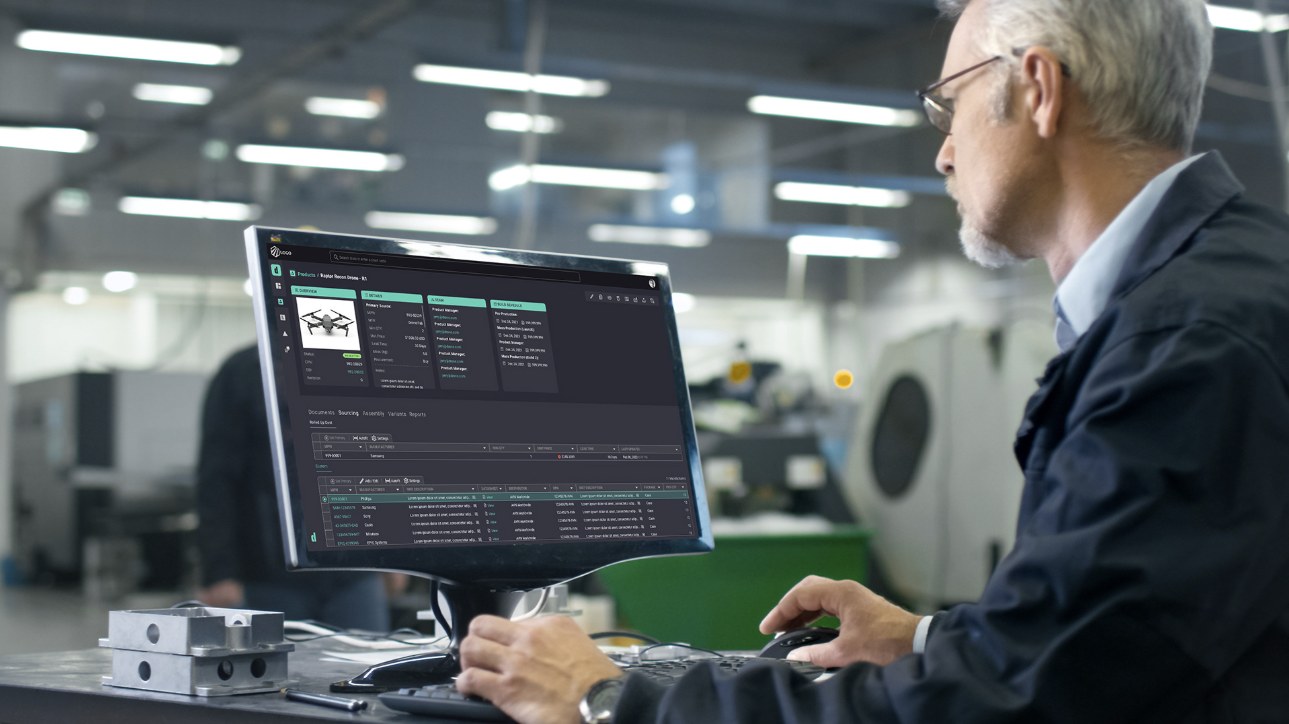
Detail-obsessed, but every layout started from zero.
Duro had no design system when I joined. The team was careful about detail, so the screens weren't inconsistent; the cost was speed. To lay out a design, everything had to be recreated from scratch or pieced together from old files. Surefront, meanwhile, was combining PLM, PIM and CRM into one product and needed the same foundation.
System owner and lead designer.
At Duro (2022–2023) I was Senior UX/UI Designer, guiding the founding team as the product grew out of its proof of concept. I built an Atomic Design system, redesigned the navigation and core product, brought Zeplin into the handoff process and built interactive demos of future features for Sales. At Surefront (2023–2024) I led product design across PIM, CRM and PLM: I managed the design system in Figma, wrote developer handoff documentation, joined weekly development calls and worked with an intern team at Carnegie Mellon.
Atoms first, then the screens.
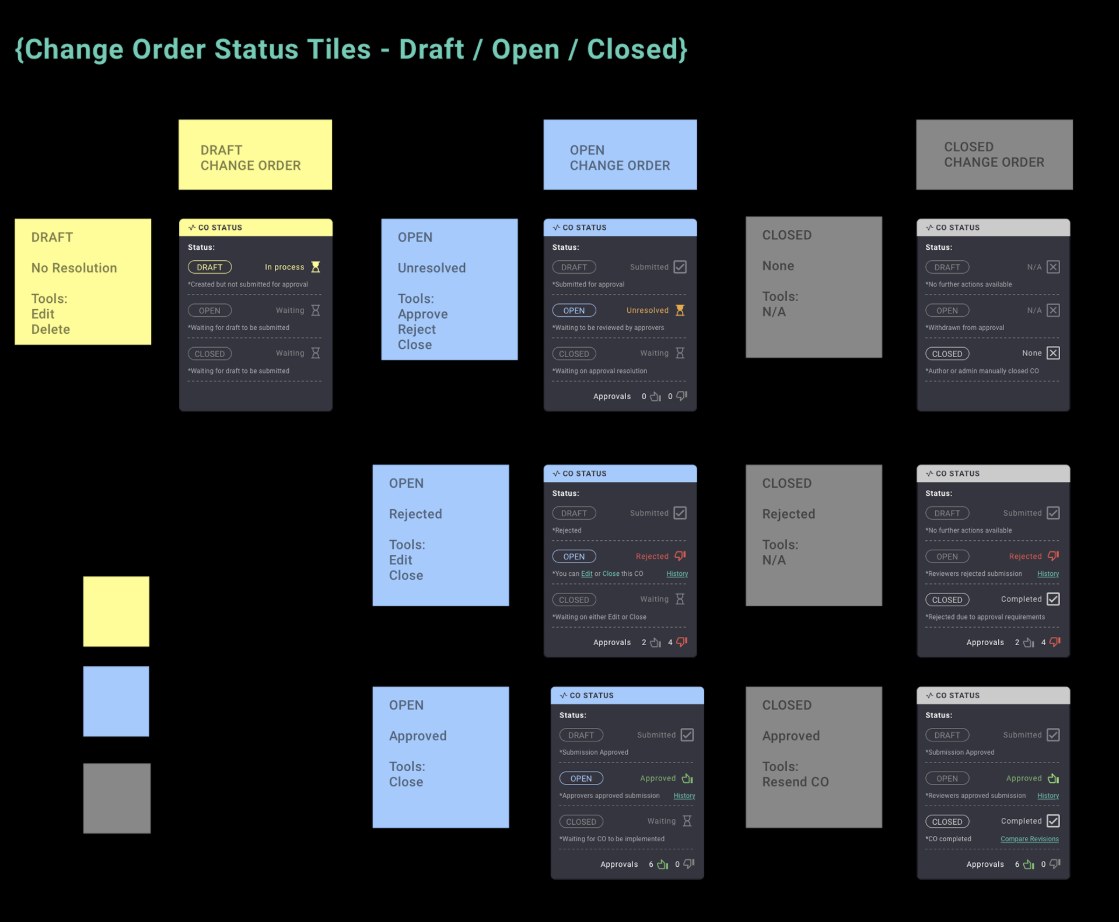
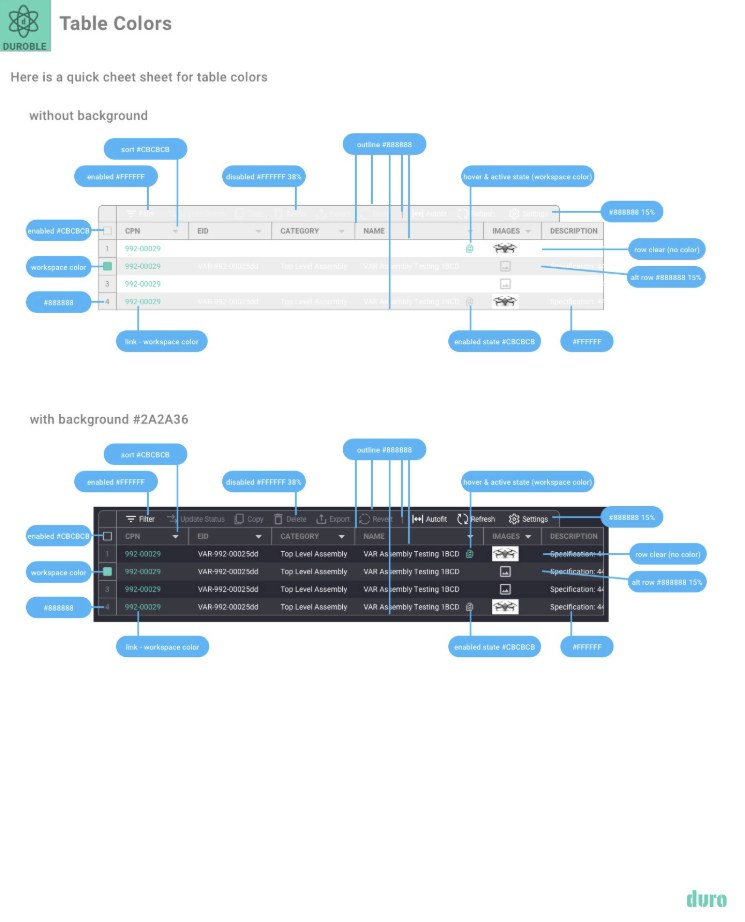
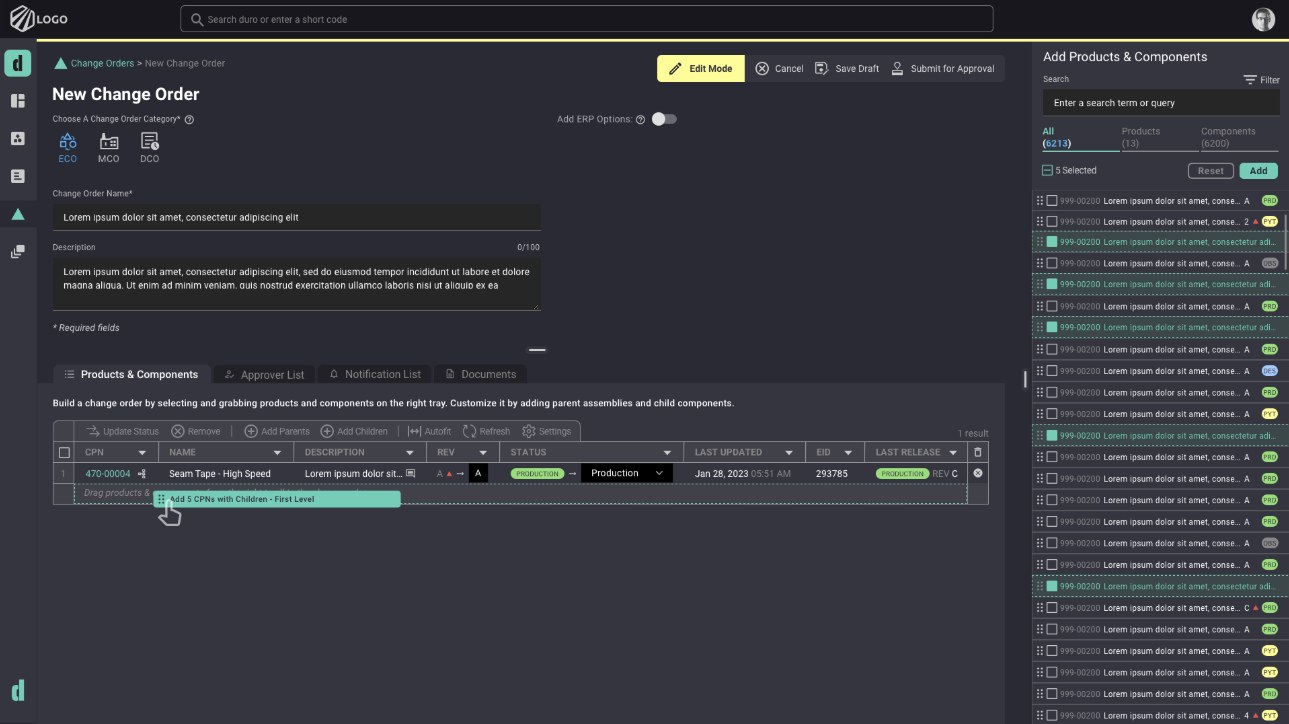
I built from tokens and atoms up to full templates, so every new feature started from parts engineering had already built. I set standards for every interface element and layout, and before committing to a pattern I laid out the options side by side, as with Duro's change-order status. I wrote the system up twice, once as materials for the design team and once as references for the developers, so both sides worked from the same parts. At Surefront I standardized the tables used across the app.
A system that shipped features, not just components.
At Duro the system carried a redesigned core product, change orders, and the build module for serialization and manual assembly from concept to handoff. At Surefront it supported a product quote interface, Surefront Analytics charts that surface insights from product data, a document and image import flow, currency and measurement conversion, and a marketplace for two-way discovery of products, manufacturers and companies.
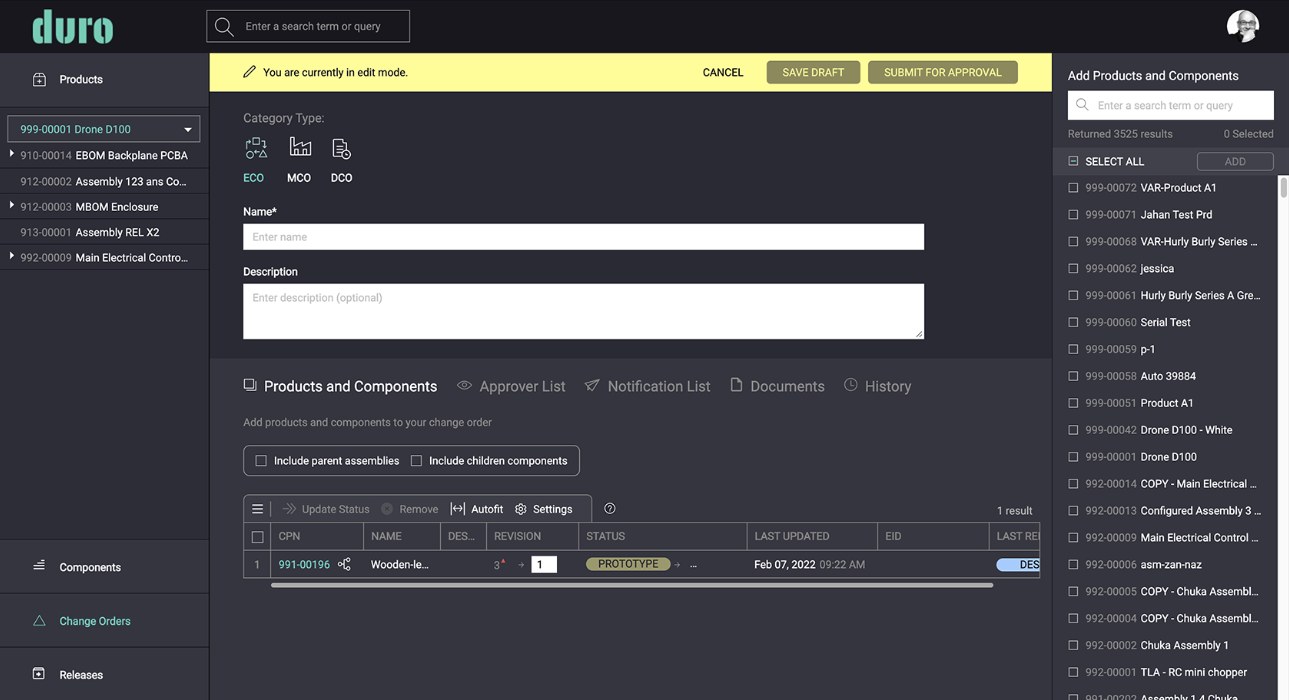
Designing from scratch.
The habit that got cut was rebuilding every layout by hand or copying it out of an old file. Once the atoms existed, a new screen started from tested parts, and the time went into the problem instead of the pixels.
The use of our design system actually encouraged the feedback loop between dev and design. Both sides were building from the same parts, so feedback came early instead of at handoff.